Мы поможем в написании ваших работ!
ЗНАЕТЕ ЛИ ВЫ?
|
Because of his excellent body, praised by many poets, his mental and physical strength, his beauty, fame, influence and courage, he is father called him Ṛṣabha.
Содержание книги
- bhavāya nāśāya ca karma kartuṁ
- duḥkhaṁ sukhaṁ vā guṇa-karma-saṅgāt
- yathānubhūtaṁ pratiyāta-nidraḥ
- gṛheṣu nirviśya yateta pūrvam
- anyasyām api jāyāyāṁ trayaḥ putrā āsann uttamas tāmaso raivata iti manvantarādhipatayaḥ.
- ye vā u ha tad-ratha-caraṇa-nemi-kṛta-parikhātās te sapta sindhava āsan yata eva kṛtāḥ sapta bhuvo dvīpāḥ.
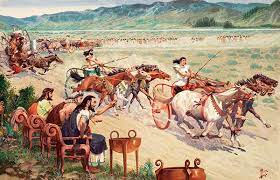
- The troughs created by the wheels of his chariot produced seven oceans, from which seven continents were formed.
- duhitaraṁ corjasvatīṁ nāmośanase prāyacchad yasyām āsīd devayānī nāma kāvya-sutā.
- naivaṁ-vidhaḥ puruṣa-kāra urukramasya
- priyavrata-kṛtaṁ karma
- sarid-giri-vanādibhiḥ
- tad upalabhya bhagavān ādi-puruṣaḥ sadasi gāyantīṁ pūrvacittiṁ nāmāpsarasam abhiyāpayām āsa.
- kā tvaṁ cikīrṣasi ca kiṁ muni-varya śaile
- bāṇāv imau bhagavataḥ śata-patra-patrau
- kiṁ sambhṛtaṁ rucirayor dvija śṛṅgayos te
- kā vātma-vṛttir adanād dhavir aṅga vāti
- rūpaṁ tapodhana tapaś caratāṁ tapoghnaṁ
- sā sūtvātha sutān navānuvatsaraṁ gṛha evāpahāya pūrvacittir bhūya evājaṁ devam upatasthe.
- The Lord Appears Before King Nābhi
- nābhir apatya-kāmo 'prajayā merudevyā bhagavantaṁ yajña-puruṣam avahitātmāyajata.
- athānayāpi na bhavata ijyayoru-bhāra-bharayā samucitam artham ihopalabhāmahe.
- We see that you do not have any use for our elaborate worship.
- O most worshipable Lord! That you, best giver of benedictions, appeared as the object of our vision in the King’s sacrifice was our benediction.
- tata āgnīdhrīye 'ṁśa-kalayāvatariṣyāmy ātma-tulyam anupalabhamānaḥ.
- Not finding anyone equal to me, I will appear in my partial form for the King Nābhi.
- Because of his excellent body, praised by many poets, his mental and physical strength, his beauty, fame, influence and courage, he is father called him Ṛṣabha.
- ko nu tat karma rājarṣer
- Among his sons Bharata, the eldest, was a great yogī, having excellent qualities. Because of him this planet is called Bhārata.
- The eighty-one younger sons of Jayantī, who followed the order of their father, were humble, learned and dedicated to performing sacrifice.
- Whatever is performed by the best person is followed by the people.
- nāyaṁ deho deha-bhājāṁ nṛloke
- mahat-sevāṁ dvāram āhur vimuktes
- janeṣu dehambhara-vārtikeṣu
- parābhavas tāvad abodha-jāto
- yadā na paśyaty ayathā guṇehāṁ
- yadā mano-hṛdaya-granthir asya
- adhyātma-yogena vivikta-sevayā
- putrāṁś ca śiṣyāṁś ca nṛpo gurur vā
- avidyāyām antare vartamānam
- idaṁ śarīraṁ mama durvibhāvyaṁ
- bhūteṣu vīrudbhya uduttamā ye
- paśyāmi viprāḥ kim ataḥ paraṁ tu
- sarvāṇi mad-dhiṣṇyatayā bhavadbhiś
- tasya ha yaḥ purīṣa-surabhi-saugandhya-vāyus taṁ deśaṁ daśa-yojanaṁ samantāt surabhiṁ cakāra.
- The wind, fragrant from the smell of his stool, made the place fragrant for ten yojanas around.
- satyam uktaṁ kintv iha vā eke na manaso 'ddhā viśrambham anavasthānasya śaṭha-kirāta iva saṅgacchante.
- na kuryāt karhicit sakhyaṁ
- atha samīra-vega-vidhūta-veṇu-vikarṣaṇa-jātogra-dāvānalas tad vanam ālelihānaḥ saha tena dadāha.
- te ca hy arvāktanayā nija-loka-yātrayāndha-paramparayāśvastās tamasy andhe svayam eva prapatiṣyanti.
- These lowest of people, faithful to an ignorant tradition concocted by themselves, which will not accept the authority of the Vedas, will fall down to hell.
tasya ha vā itthaṁ varṣmaṇā varīyasā bṛhac-chlokena caujasā balena śriyā yaśasā vīrya-śauryābhyāṁ ca pitā ṛṣabha itīdaṁ nāma cakāra.
Because of his excellent body, praised by many poets, his mental and physical strength, his beauty, fame, influence and courage, he is father called him Ṛṣabha.
The word varṣmaṇā (body) is modified by varīyaṣa and bṛhad-ślokena. Vīrya means influence and śaurya means fortitude.
|| 5.4.3 ||
yasya hīndraḥ spardhamāno bhagavān varṣe na vavarṣa tad avadhārya bhagavān ṛṣabhadevo yogeśvaraḥ prahasyātma-yogamāyayā sva-varṣam ajanābhaṁ nāmābhyavarṣat.
Powerful Indra, in envy, stopped the rain from falling on the earth. Understanding this, Ṛṣabhadeva, master of yoga, smiled and poured rain on his state named Ajanābha by his power of yoga.
The country was called Ajanābha after Ṛṣabhadeva (aja) and his father King Nābhi. Though grammatically is should be called Ājanābha, by poetic license it was called Ajanābha.
|| 5.4.4 ||
nābhis tu yathābhilaṣitaṁ suprajastvam avarudhyāti-pramoda-bhara-vihvalo gadgadākṣarayā girā svairaṁ gṛhīta-naraloka-sadharmaṁ bhagavantaṁ purāṇa-puruṣaṁ māyā-vilasita-matir vatsa tāteti sānurāgam upalālayan parāṁ nirvṛtim upagataḥ.
Having attained his desire for an excellent son, overwhelmed with great joy, thinking of the Supreme Lord who accepted the ways of an ordinary human as his son, King Nābhi addressed him with faltering words as his son and, raising him with affection, attained great bliss.
Avaruddhya means attaining. He thought of the Lord as his son (māyā-vilasita-matiḥ). Māyā can mean illusion or intelligence according to Amara-koṣa-trikāṇḍa-śeṣah.
|| 5.4.5 ||
viditānurāgam āpaura-prakṛti jana-pado rājā nābhir ātmajaṁ samaya-setu-rakṣāyām abhiṣicya brāhmaṇeṣūpanidhāya saha merudevyā viśālāyāṁ prasanna-nipuṇena tapasā samādhi-yogena nara-nārāyaṇākhyaṁ bhagavantaṁ vāsudevam upāsīnaḥ kālena tan-mahimānam avāpa.
|