Мы поможем в написании ваших работ!
ЗНАЕТЕ ЛИ ВЫ?
|
kā tvaṁ cikīrṣasi ca kiṁ muni-varya śaile
Содержание книги
- yuyoja yuyuje 'nyāṁś ca
- tān nirjita-prāṇa-mano-vaco-dṛśo
- bhagavān nārado muniḥ
- vacobhiś citta-vṛttibhiḥ
- yathā taror mūla-niṣecanena
- punaś ca tasmin praviśanti kāle
- tenaikam ātmānam aśeṣa-dehināṁ
- na bhajati kumanīṣiṇāṁ sa ijyāṁ
- anyāś ca bhagavat-kathāḥ
- yatrākiñcana-go hariḥ
- puṁsāṁ bhavitum arhati
- nibodha tātedam ṛtaṁ bravīmi
- māsūyituṁ devam arhasy aprameyam
- bhavāya nāśāya ca karma kartuṁ
- duḥkhaṁ sukhaṁ vā guṇa-karma-saṅgāt
- yathānubhūtaṁ pratiyāta-nidraḥ
- gṛheṣu nirviśya yateta pūrvam
- anyasyām api jāyāyāṁ trayaḥ putrā āsann uttamas tāmaso raivata iti manvantarādhipatayaḥ.
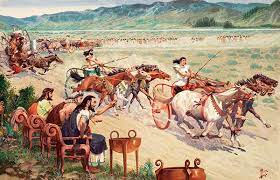
- ye vā u ha tad-ratha-caraṇa-nemi-kṛta-parikhātās te sapta sindhava āsan yata eva kṛtāḥ sapta bhuvo dvīpāḥ.
- The troughs created by the wheels of his chariot produced seven oceans, from which seven continents were formed.
- duhitaraṁ corjasvatīṁ nāmośanase prāyacchad yasyām āsīd devayānī nāma kāvya-sutā.
- naivaṁ-vidhaḥ puruṣa-kāra urukramasya
- priyavrata-kṛtaṁ karma
- sarid-giri-vanādibhiḥ
- tad upalabhya bhagavān ādi-puruṣaḥ sadasi gāyantīṁ pūrvacittiṁ nāmāpsarasam abhiyāpayām āsa.
- kā tvaṁ cikīrṣasi ca kiṁ muni-varya śaile
- bāṇāv imau bhagavataḥ śata-patra-patrau
- kiṁ sambhṛtaṁ rucirayor dvija śṛṅgayos te
- kā vātma-vṛttir adanād dhavir aṅga vāti
- rūpaṁ tapodhana tapaś caratāṁ tapoghnaṁ
- sā sūtvātha sutān navānuvatsaraṁ gṛha evāpahāya pūrvacittir bhūya evājaṁ devam upatasthe.
- The Lord Appears Before King Nābhi
- nābhir apatya-kāmo 'prajayā merudevyā bhagavantaṁ yajña-puruṣam avahitātmāyajata.
- athānayāpi na bhavata ijyayoru-bhāra-bharayā samucitam artham ihopalabhāmahe.
- We see that you do not have any use for our elaborate worship.
- O most worshipable Lord! That you, best giver of benedictions, appeared as the object of our vision in the King’s sacrifice was our benediction.
- tata āgnīdhrīye 'ṁśa-kalayāvatariṣyāmy ātma-tulyam anupalabhamānaḥ.
- Not finding anyone equal to me, I will appear in my partial form for the King Nābhi.
- Because of his excellent body, praised by many poets, his mental and physical strength, his beauty, fame, influence and courage, he is father called him Ṛṣabha.
- ko nu tat karma rājarṣer
- Among his sons Bharata, the eldest, was a great yogī, having excellent qualities. Because of him this planet is called Bhārata.
- The eighty-one younger sons of Jayantī, who followed the order of their father, were humble, learned and dedicated to performing sacrifice.
- Whatever is performed by the best person is followed by the people.
- nāyaṁ deho deha-bhājāṁ nṛloke
- mahat-sevāṁ dvāram āhur vimuktes
- janeṣu dehambhara-vārtikeṣu
- parābhavas tāvad abodha-jāto
- yadā na paśyaty ayathā guṇehāṁ
- yadā mano-hṛdaya-granthir asya
- adhyātma-yogena vivikta-sevayā
As she smelled various flowers like a bee, she gave an entrance of Cupid into men’s minds by her limbs, her soft words, her glance, humility, shyness and playful movements, which gave joy to the eyes of men and devatās. Her belt, braids and pot-like breasts moved about as she walked quickly in fear of the swarms of bees, which were intoxicated by the fragrance which flowed from her mouth like nectar when she suddenly spoke with a laugh.
Becoming bewildered on seeing her, he speaks the next ten verses. He appeared to be stunned, but this was imitation, showing his skillfulness. She had a belt, braids and pot-like breasts which moved as she walked quickly out of fear when surrounded by swarms of bees intoxicated by the fragrance as she spoke with a laugh, which was like sweet nectar flowing from her mouth. She made a door for Cupid to enter the minds of men.
|| 5.2.7 ||
kā tvaṁ cikīrṣasi ca kiṁ muni-varya śaile
māyāsi kāpi bhagavat-para-devatāyāḥ
vijye bibharṣi dhanuṣī suhṛd-ātmano 'rthe
kiṁ vā mṛgān mṛgayase vipine pramattān
Who are you! O best of sages! What do you want to do at this mountain? Are you māyā, the energy of the Supreme Lord? You are carrying two bows without bow strings. O friend! What use are they? Are you hunting inattentive animals in the forest?
Asking who she is, he is confused. He indicates that he does not know the difference between a man and a woman since he has been practicing austerities since childhood. O best of sages! Are you staying here like me to perform austerities? But then he thought for a moment, “Why does she bewilder me, if she is a sage like me?” Then he thought that she was māyā of the Supreme Lord (para-devatā bhagavān), who had come in the form of a sage. Seeing her eye brows, he then said, “You are carrying two bows without bow strings. O friend! Why have you done this? What use are they? Are you hunting inattentive animals in the forest? ” The deeper meaning of this is that he himself is like an animal which she is hunting.
|| 5.2.8 ||
|