nadati kvacid utkaṇṭho
nadati kvacid utkaṇṭho
vilajjo nṛtyati kvacit
kvacit tad-bhāvanā-yuktas
tanmayo 'nucakāra ha
Sometimes in great longing he would cry out, or would dance without shame. Sometimes, lost in thoughts of the Lord, identifying with the Lord, he would imitate the Lord’s pastimes.
When Prahlāda would see the Lord suddenly appear at a great distance, with intensified longing, the Lord would cry out. “O Prahlāda! Dear child! Without seeing you, I get no satisfaction, since you alone are most dear to me.” When the Lord would say this, Prahlāda in great bliss would become confused and dance without shame. Then when the Lord disappeared, out of great pain of separation, he would lose himself in deep thoughts of the Lord, and identifying himself as the Lord out of the strength of the vyabhicāri-bhāva of unmada (madness), he would imitate the pastimes of Rāma and Kṛṣṇa when they appeared in this world.
|| 7.4.41 ||
kvacid utpulakas tūṣṇīm
āste saṁsparśa-nirvṛtaḥ
aspanda-praṇayānanda-
salilāmīlitekṣaṇaḥ
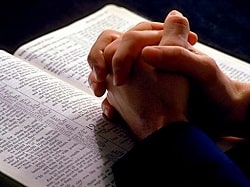
Sometimes with hair standing on end, he would remain silent, blissful because of the touch of the Lord’s hand. Without movement, he would remain with eyes half-closed, filled with tears of joy, expressing his affection for the Lord.
His hairs would sometimes stand on end. He would think “Where shall I go? Where will I see the Lord?” Sometimes out of grief of separation he would close his eyes. Suddenly he would see the Lord in his heart. By the touch of the Lord’s hand he would become blissful and his hairs would stand on end. He would not have any movements (aspanda). His half-closed eyes would be filled with tears of bliss, expressing his affection for the Lord.
|| 7.4.42 ||
sa uttama-śloka-padāravindayor
|