Мы поможем в написании ваших работ!
ЗНАЕТЕ ЛИ ВЫ?
|
yo vā ahaṁ ca giriśaś ca vibhuḥ svayaṁ ca
yo vā ahaṁ ca giriśaś ca vibhuḥ svayaṁ ca
sthity-udbhava-pralaya-hetava ātma-mūlam
bhittvā tri-pād vavṛdha eka uru-prarohas
tasmai namo bhagavate bhuvana-drumāya
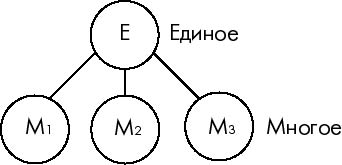
I offer my respects to the Supreme Lord, the tree of the worlds, who is Brahmā, the cause of creation, Śiva, the cause of destruction and independent Viṣṇu, the cause of maintenance, and who, though one, after dividing up pradhāna, increases into three branches (guṇāvatāras), and then into extended branches (Prajāpatis and Manus).
Brahmā offers respects, indicating that not only he, but the all the elements starting from maha-tattva, should surrender to the Lord, since they all arise from the Lord. That one Lord (ekaḥ) increases by having three large branches (tripāt), consisting of Brahmā, Viṣṇu and Śiva, and having extended (uru) branches consisting of Prajāpatis such as Marīci and the Manus. What has he done to increase in this way? Dividing the cause of all bodies, pradhāna (ātmā-mūlam), into the three guṇas, the Lord has become Brahmā, Viṣṇu and Śiva. Their functions are described not in exact sequence. Viṣṇu is distinguished by the word svayam, to show that he is not related to the guṇas in the same way as Brahmā and Śiva. He is completely separate by his very nature. Or the meaning can be “He who is Brahmā, Viṣṇu and Śiva, who is the cause of himself ātma-mūlam), dividing up by means of his śaktis, first becomes the three worlds (tripāt) and then the fourteen worlds (uruprarohaḥ) I offer respects to the form of the worlds, the universal form, who is like a tree.”
|| 3.9.17 ||
loko vikarma-nirataḥ kuśale pramattaḥ
karmaṇy ayaṁ tvad-udite bhavad-arcane sve
|