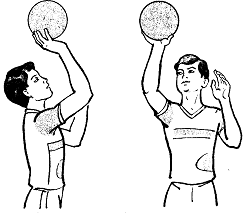
Заглавная страница Избранные статьи Случайная статья Познавательные статьи Новые добавления Обратная связь FAQ Написать работу КАТЕГОРИИ:  Археология Археология Биология Биология Генетика Генетика География География Информатика Информатика История История Логика Логика Маркетинг Маркетинг Математика Математика Менеджмент Менеджмент Механика Механика Педагогика Педагогика Религия Религия Социология Социология Технологии Технологии Физика Физика Философия Философия Финансы Финансы Химия Химия Экология ЭкологияТОП 10 на сайте Приготовление дезинфицирующих растворов различной концентрацииТехника нижней прямой подачи мяча. Франко-прусская война (причины и последствия) Организация работы процедурного кабинета Смысловое и механическое запоминание, их место и роль в усвоении знаний Коммуникативные барьеры и пути их преодоления Обработка изделий медицинского назначения многократного применения Образцы текста публицистического стиля Четыре типа изменения баланса Задачи с ответами для Всероссийской олимпиады по праву 
Мы поможем в написании ваших работ! ЗНАЕТЕ ЛИ ВЫ?
Влияние общества на человека
Приготовление дезинфицирующих растворов различной концентрации Практические работы по географии для 6 класса Организация работы процедурного кабинета Изменения в неживой природе осенью Уборка процедурного кабинета Сольфеджио. Все правила по сольфеджио Балочные системы. Определение реакций опор и моментов защемления |
Oh udadhikanye (Samudra kumAri)!. You took seat on EmperumAn’s chest without His asking in front of Your children, the DevAs. Such an action will not earn the ridicule.Поиск на нашем сайте Oh Jagadamba, the Mother of all worlds, You grace Your worshipers with unlimited prosperity out of Your compassionate nature (dayALu). We are all Your children including the four-faced Brahma, Rudra, Muruga and the DevAs. You emerged from TirupArkkadal and had Kamadhenu emerge with You as You needed a lot of milk to feed all of Your children. Comments: MahA Lakshmi’s Kudumbam is very big and She has to nourish and sustain them all. She needs therefore a lot of milk to feed them. The poet suggests that the divine cow, Kaamadhenu appeared therefore before Sri MahA Lakshmi manifested. Srimad BhAgavatam says, the Maharishis were gifted with the Divine Kaamadhenu for conducting their Yajn~ams and to offer havis to the devAs: tAm agnihotrImrshayo jagru: brahmavAdina: | — Srimad BhAgavatam: 8.8.2 Sri VenkatAdhvari Kavi, who is no stranger to Yajn~ams takes a more imaginative view and states that Kaamadhenu appeared to help MahA Lakshmi feed Her children. Kamadhenu is capable of granting any wish immediately. Starting from Brahma and Rudra all the living beings emerged from Sriman nArAyaNa as mentioned in MahAnArAyaNa Upanishad (nArAyaNAt brahmaa jAyate, nArAyNAt rudro jAyate). Thus they are SrI MahA Lakshmi’s children. As Brahma created other lives, they are also Her children. Thus PirAtti needs a lot of milk to feed all Her children. The poet says that for this reason, She emerged from the Milky Ocean of ThirupArkkadal and had along with Her Kamadhenu who can also give milk, the milk being the wishes of all of them. The mother gives milk to the child without expecting it to ask her. The baby needs it to exist. Similarly we cannot exist without PirAtti’s grace.
Slokam 3 tvaya ujjvalam dugdha payodhi madhye
Meaning: Devi! The bright Kaustubham and Candra emerged from ThirupArkkadal along with You. The Kaustubham adorned the chest of Lord NaarAyaNa while the Moon became the ornament for Siva, Who wore it on His head. (MahA Lakshmi is saluted as Candra-sahodari since She appeared along with Candran during the churning of the Milky Ocean). Thus association with PirAtti (sambandham) will grant one great honors.
Slokam 4 jIvam jIvam prati udArAm samrddhim
Meaning: Lakshmi, Who resides on the lotus! You exist for dispelling the darkness of ignorance that is present in the jIvAs and grant them moksham. The moon exists as a source of nourishment for the cakora birds and to remove the darkness and support the stars. Comments: The technique of using homonyms, homophones and phrases that have different contextual meaning for rhetorical effect in poetry is called “silEdai aNi”. In this slokam the poet explains the reason for the emergence of Lakshmi and Chandra from ThirupArkkadal using the silEdai aNi. Sri MahA Lakshmi pardons the sins the jIvAs commit since time immemorial. She mediates on their behalf and explains their sad state to EmperumAn and grants them moksha. She removes ignorance and protects sAdus. Moon grants its life-preserving rays to cakora birds that use it as food. He is the head of the stars and dispels darkness. Thus the moon and SrI Lakshmi emerged from thirupArkkadal for the same reason, to help others. The word “sat” refers to sat purusha and also stars as shown by the ratnamala “satklIbam rushe”. “kanca dhAme”dhAme means both residence and tejas. Candra chases the external darkness, while PirAtti chases the darkness of ignorance. Satkadambam means good community. ThirupArkkadal had the satkadAmbam of Kaustubham, Kalpataru, Candra, airAvadam and ucccaisSravas. PirAtti supported them just as She supports the “satkadambam” in this world. It is interesting that the poet mentions the cakora birds in this slokam. PirAtti is called “cakora candra” one who likes the cakora birds.
Slokam 5 viSvAsecanakam mukham tava paya: sindho: udancat tadA
Meaning: Lakhmi! When Siva saw Your resplendent face emerge from TirupArkkadal he thought it was a moon that had no blemishes. He sang Your praise while shaking His head as if He was trying to displace the moon that he had placed there previously. Comments: In this slokam a normal occurrence is said to mean something else. This aNi is called “tharkuripEtra aNi”. The kavi says that when Siva looked at PirAtti’s face He was very impressed with its blemish-free beauty. He showed His appreciation by shaking His head and singing Her praise. This act of Siva looked as if He was trying to shake off the moon on His head as though He was ashamed to have adorned it on His hair as it can wax and wane and has blemishes on its surface. PirAtti is aptly addressed as Rame, one Who gladdens the heart of the observer.
SrI Maha Lakshmi ThAyAr
Slokam 6 dAtum tvAm purushottamAya tanayAm padme grhIta vrata:
Meaning: Padme! Samdura rAjan wanted to bequeath you as KannikA dAnam to Sriman NaarAyaNa who is PurushottamA. Before offering You as dAnam he gave many objects as dAnam to worthy people. He offered Kamadhenu as “gO dAnam” and amrt to the Rishis. The horse UccaiSravas and the wish-granting tree Kalpaka vrksham were given to Indra as offerings to a Brahmin. Siva, an expert in Veda who roams around as digambara or naked mendicant was offered the moon as “vastra dAnam” in the place of a white cloth (sarvajn~Aya sitAmSukam dhrta jaTAvargAya digvAsase). Even though all these things emerged from the ocean along with Lakshmi, the kavi poetically says that the Ocean God offered them to different people as dAnam. Comments: Indra is referred to as maghavate, one who has done many yAgams. When one does thousand aSvameda yAgams, one gets the position of Indra. It was appropriate that he was given the horse UccaiSravas. Siva is called jaTAvargA one who has matted hair, the hallmark of a great rishi. He is called digambara one Who is naked and has no desires. It also means that he has the sky as His dress. The word “sumanansAm” also represents experts or panditAs. Siva is called “sarvajn~Aya” one who is jn~AvAn, one who is an expert of jn~Ana yogam.
Slokam 7 harshAdabdhe: amrtakalaSam tvAdade devasangha:
Meaning: Padme! The thirty three crores of DevAs accepted the amrt, kalpaka tree and kAmadhenu. Their king Indra thought it would fit his status to accept the horse. However, Sriman NaarAyaNan who is “sAragrahaNa nipuNa”, one who prefers the sAram or the best of anything preferred only You, the sAram of everything. He smartly wished for You while the DevAs in their ignorance accepted less celebrated objects. Comments: The poet celebrates our Lord’s exquisite taste about selecting what is Saaratamam: “Padme! sAaragrahaNa nipuNa: SArngi tvAm SubhAmeva grahItum pAriSeshyAd”. The poet uses the word “pAriSeshyAd” which means what was left behind or left over. Sriman nArAyaNa accepted PirAtti, Who was left behind by others due their ignorance so that no one could blame Him that He took the best and first and left the less important horse, amrt and kalpaka tree for the others. EmperumAn had the patience to wait for the best that emerged last.
Slokam 8 chAyA mukhe janani cAndramasI tava AsIt
Meaning: Mother! The brightness of Your face resembles the rays of the moon, the colour of Your limbs resemble the new leaves of the Kalpataru. The sweetness of Your words is like the amrt. It is true that people say siblings share common traits. Comments: The poet describes the nature of all the things that emerged along with Lakshmi and explains that She shares some of Her characteristics with Her siblings. The beauty of Chandra impresses the young and old alike. One never gets satiated when he glances at the moon. Similarly the face of Sri MahA Lakshmi is an object of beauty that captures the observer. The leaves of the kalpaka tree are young, fresh and pinkish in colour. Sri MahA Lakshmi’s hands and feet resemble the young leaves of the tree in their softness and pinkish hue. (kalpadru pallava ruci: karayO padoSca). The amrt is known for its sweetness. PirAtti’s words are like the amrt in their sweetness (saude rase vacasi) and confer everlasting bliss. It is known that siblings have some common characteristics. The poet says that the abovementioned characteristics of PirAtti are similar to that of Her siblings. About the resemblance to the Moon to his sister, the poet says: “jananI! chAyA mukhe tava cAndramasI AsIt”.
Slokam 9 sudhAdaya: santu tathApi toyadhi:
Meaning: Rame! Even though amrt, kaustubham, pArijAtam etc., emerged from the Milky Ocean and are considered as the children of the Ocean, ThirupArkkadal is praised as a parent only because You emerged from it. Even though a king may have many good qualities he is considered great only if he is philanthropic. Thus ThirupArkkadal is considered great only because You emerged from it. Comments: The Milky Ocean did indeed give rise to nectar and the like. Let that be (sudhAdaya: santu)! Even then (tathApi), the Ocean (toyadhi:) surely (dhruvam) is praised only as PirAtti’s parent (bhavatyaiva apatyavAn bhavati). The poet says if the King has magnificence, only then he is called “guNI” one with good qualities or guNAs.
Slokam 10 SrAamyat pannaga vaktra koTara marunnunnormi sanghaTTanAd
Meaning: Mother, Samudra rAjan worshiped mAdhavan in the following ways and obtained You. The breath of the snake Vaasuki that was used as the rope lifted the ocean waters as if two palms are folded in supplication and offering flowers, the flowers being the milk droplets of the ThirupArkkadal. The sound of the churning produced with the Mandara Mountain as the axis resounded as if some one was beating the drums. Comments: The poet says that the Samudra rAjan did not beget PirAtti as easily as he got the Kaustubham and the kalpaka vrksham. He prayed fervently to SrIman nArAyaNa and got the boon of having PirAtti as his daughter. This slokam explains how he prayed to SrIman nArAyaNa. When the ocean was churned with Mandara Mountain as the axis and the snake Vaasuki as the rope, the snake could not withstand the pain. So he let out a big sigh through his cave-like mouth. The wind from the sigh caused great waves in the ocean that rose up to the sky splashing a lot of milk. The milk droplets looked like white flowers that the ocean king was offering to EmperumAn. The sound that occurred during the churning sounded “dhUm dhUm” and was like the sound of the ocean king’s rhythmic prayer to the Lord. The poet describes SamudrarAjan’s prayer to MahA Lakshmi to beget Her as his daughter as: “amba! kanyAmaNIm tvAm mAdhavam adbhutAmalabhata”.
SrI Perundevi ThAyAr
Slokam 11 sindhu kroDa sthapuTa viluThat mantha labdhAvatArai:
Meaning: Oh SrI Devi! A mighty wind arose when the Mandara Mountain spun and swirled. That sounded like the dhvani from the beating of a great drum (berigai/ dhundhubhi). The circular waves the wind created reminded one of a ladies’ dance where they form a circle and clap their sticks (kOlAttam). Comments: During any great event, the drums are sounded and womenfolk dance around to celebrate it. Many people enjoy the scene. The emergence of Lakshmi looked like one such event. Berigai is big drum and so was the Mandara Mountain. The sound that the Mandara Mountain produced, when used as a churning rod was also loud. The wind that occurred during the churning seemed like a dance teacher. The wave pattern that occurred during the churning was circular similar to the circle that women create during their KolAttam dance. The observers of this great event were the Devas and Asuras. The scene looked as if the expert dance teacher Vaayu commanded the students, the waves, to dance with joy at the occasion of PirAatti’s emergence.
Slokam 12 barham bhrAntvA cikuram udadhe: udbhavantyA bhavatyA
Meaning: The snakes tied as a tether around the Mandara Mountain saw the whiff of hair on Your forehead and mistook it for peacock feathers. They decided to suppress their natural instinct and act like a rope lest they attract the peacock’s attention and their subsequent destruction. Comments: When Vaasuki was used as the rope, the Devas tied other smaller snakes to its body so that it shared the labor with them and served as a strong tether. The other snakes controlled their urge to hiss, bite and move around and remained calm. The poet says that they did so not because of the pain that wore them out but due to following reason. The snakes saw a few strands of PirAtti’s hair on Her forehead. They mistook them for peacock feather, as they were soft, shining and dark. They decided to stay quiet so as to not get the attention of the peacock lest it destroys them (tatkAlaikochita-matijusha: trAsata: tyakta ceshTA:). It is said that in the presence of EmperumAn both the acit and cit should act like acit. Here the cit that is the snake decided to behave like an acit, the rope, in the presence of PirAtti. This slokam is an example of the poet’s great imagination.
Slokam 13 Alokya tatra bhavatIm avatIrNa rUpAm
Meaning: When ThirupArkkadal was churned, the foam that came up looked like butter floating on the surface of the milk that is churned. The Devas were elated that PirAtti emerged from the ocean. To show their happiness they showered karpaka flowers that also looked like the foam. The flowers floated on the surface of the ocean along with the foam. The poet says that both the flowers and foam danced on the water surface to show their joy. Comments: The joy of the devAs as they saw the emergence of MahA Lakshmi from the Milky Ocean is described this way by the poet: “tatra avatIrNa rUpAm bhavatI Alokya, vrshTA mudA sumanasa:”. PirAtti is addressed as akhilAmbA, the mother of everyone. One can humorously recall that the moon is called “Canda Mama” or the moon uncle. If the moon is the uncle, the brother of one’s mother, then the mother can be none other than PirAtti, Who is his sibling.
Slokam 14 amba svayam tvayi cirAd avatIrNavatyAm
Meaning: Amba! Due to Your sankalpa to emerge slowly, the DevAs churned the ocean for a long time. The breeze that was flowing to relieve the DevAs of their tiredness was gentle as it was worried that the snakes that were hungry will swallow it. Comments: It is the nature of the breeze to flow gently. The poet assigns this nature to its fear that the snakes will swallow it. The breeze blew in gently (anila: Sanai: cacAra). The breeze flew that quiet way since it was afraid the tired and famished snakes would gulp it as a mouthful of food (KabalIkaraNam). The term “Sanai:saccAra” also means like the planet Saturn (Sani). Sani also called as SaniscarA: is said to arrive quietly and hold on to the person who is destined to experience its effects according to the planet positions in his horoscope. Here the pace of the breeze is compared to the slow and quiet movement of the Sani.
SrIrangam Dhivya Dampathi Serthi
Slokam 15 sAndra utkaNThAmasruNa madhujit sAdara apAngadhArA
Meaning: Oh MatA! Before Your marriage to Sriman NaarAyaNan, Your father the Samudra rAjan bathed You with the cooling glances of Sriman NaarAyaNan and with the milk droplets that were carried by the wind from ThirupArkkadal. Comments: It is customary to give a holy bath (mangaLa snAna Karma) to the bride before her marriage. The Samudra rAjan followed this custom before offering Sri MahA Lakshmi in marriage by bathing Her with the milk droplets from the ocean. The milk was as pleasant as the glances of Sriman nArAyaNan (madujit sAdarApAngadhArA). In olden days the bride and groom saw each other only on the wedding day. Their first encounter was their sight of each other. In RamayaNa Sri Rama’s first meeting of Sita PirAtti is described by Kambar as “aNNalum nOkinAr avaLum nOkinAL”. Following this tradition EmperumAn sees PirAtti only on the day of their marriage. (This tradition is observed strictly at Srirangam and Kaanchi temples, where there are separate sannidhis for ThAyAr.) He pours out hence all His love for Her through His cool glances that are compared to the pleasant waves of ThirupArkkadal. The waves occur without a break. EmperumAn’s glances are always with PirAtti. It is said that during creation EmperumAn seeks PirAtti’s approval for His action by looking at Her facial expression constantly.
Slokam 16 sudhodadhi samudbhavat suratarucchaTAntargate
Meaning: Oh Janani! You adorn the lotus throne made of precious gems in MaNi MaNTapam surrounded by KarpakA trees. Celestial maidens worship you (tridaSa sundarI sevitAm). I meditate upon Thee to cut asunder the bondage of worldly life (samsArA). Comments: The visualization of MahA Lakshmi born out of the Milky ocean (sudhOdadhi samudbhavati) being seated under the grove of Karpaka trees (sura taruc-chaTAntargate) on a gem studded throne (ratana simhAsane) inside a most beautiful MaNi MaNTapam (manojn~e MaNi MaNTape) is most beautiful. The kavi says that he will be contemplating on PirAtti constantly through the term “santatam cintaye”. This is similar to EmperumAnAr’s description of bhakti yogam where one contemplates on sriya:pati like the flow of oil (taila dhArA).
Slokam 17 abhyarNa sphurad apsara: karadhrtai: uddAma dugdhAmbudhi:
Meaning: Lakshmi! Celestial maidens fan you with cAmarams that are as white as the waves of ThirupArkkadal. Your Hands beautify the lotus that They. You are adorned with many beautiful jewels. You remove our sorrow. I meditate upon thee at the daybreak (ushat kAalam). Comments: The poet says that rhythmic waving the cAmarams simulates the white waves of ThirupArkkadal rising and falling. A river flowing up to its brim is called “kUlankashA”. This is compared to PirAtti. The water is clear and very majestic in its flow. It quenches the thirst of those who seek it. Similarly Sri Lakshmi has a very graceful demeanor and quenches the thirst of those suffering from the pangs of samsArA (Atanga kUlankashA). In this slokam the poet has established the Paratvam of PirAtti that She is the ISvari like EmperumAn. Her paratvam is indicated by the fact that celestial maidens serve Her. Her bhogyatvam is indicated by the presence of the lotus on Her hand. Her ASrayatvam is indicated by the term “jagatAm Atanga kUlankashA”. The poet sings that he will contemplate Her at the “ushat kAlam”. When a SriVaishNava wakes up at dawn the first thing he would do will be to chant “Hari” seven times. Swami Desikan mentions this in his VaishNava Dinacaryai. Here the poet says he will praise PirAtti first thing in the morning. Sri VenkatAdhvari kavi is following this tradition of his pUrvAcAryar in this slokam.
Slokam 18 bhUyAsuste tvadIyA mayi haridayite sthulalakshA: kaTAkshA:
Meaning: Hari dayite! (consort of NArAyaNA), DevAs joined their palms together as anjali mudra to you and prayed for your kaTAksham. Their folded palms looked like lotus buds. I now seek such an esteemed kaTAksham of yours that Siva and other DevAs longed for. Comments: The poet gives a very interesting reason for the occurrence of the lotus buds. Before the ThirupArkkadal was churned, lotus flowers had bloomed in the middle of the ocean. After churning, the ocean became muddy and the lotuses felt that the water was unfit for their stay; So they decided to come to the shores (manthAdrikshObhadhu:stham kalaSa-jalanide: madhyam utsrjya velAm praptau). At that time the moon rose in the sky. Realising that it was dusk, the lotus flowers closed their petals. The DevAs’ closed palms are equated to the lotus buds. What a great imagination!. PirAtti is the moon whose presence makes the palms of the DevAs, the lotuses, to close.
Slokam 19 agre murAre: aravinda pIThe
Meaning: Oh Lakshmi! Samudra rAjan looked at You being given mangala snAnam by “dig gajams” such as airAvatam and PuNDarIkam in front of Sriman NArAyaNan thus making You the Isvari of all the worlds. He was ecstatic that his daughter received such an honor. Comments: It is mentioned in Sri VishNu PurANam that the eight elephants (ashTa dig Gajams) that stand guard on the eight directions brought water in golden pots and in front of EmperumAn gave mangala snAnam to Sri MahA Lakshmi, Who was seated on a golden lotus throne thus making Her the Empress of all the worlds. It is interesting that the poet says that ThirupArkkadal was immersed in “Ananda kadal“ (avekshya putrIm akhileSvarIm tvAm sindu: Ananda sindhau nimamajja). Swamy Desikan’s thirteenth slokam of SrI stuti describing the dig gajams performing Thirumanjanam for MahA Lakshmi with waters held in golden pots must have inspired VenkatAdhvari Kavi: agre bhartu: sarasijamaye bhadrapIThe nishaNNAm — SrI stuti: 13th slokam It is interesting to note that the Samudra rAjan, the king of sAgaram, was immersed in “Ananda sAgaram”
Slokam 20 prasabham udadhikanye paSyatAm daivatAnAm
Meaning: Comments: In this slokam the kavi justifies Lakshmi ascending the SrIvatsa mole on EmperumAn’s chest when She emerged from ThirupArkkadal. He says it is a normal practice among couples in this world to sit together, talk or do something together in front of their children. Lakshmi took seat on EmperumAn’s chest in front of Her children, the DevAs and the asurAs. Thus no one will talk low of Her for this act. There is no cause for shame (na khalu nijaSiSUnAm sannidhi: vrIDahetu:).
Slokam 21 kalita kalaSa sAgara Urmi gangam
Meaning:
|
||
|
|
Последнее изменение этой страницы: 2024-07-06; просмотров: 69; Нарушение авторского права страницы; Мы поможем в написании вашей работы! infopedia.su Все материалы представленные на сайте исключительно с целью ознакомления читателями и не преследуют коммерческих целей или нарушение авторских прав. Обратная связь - 216.73.216.60 (0.011 с.) |