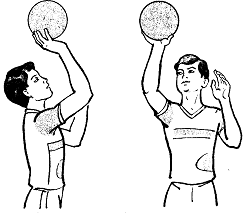
Заглавная страница Избранные статьи Случайная статья Познавательные статьи Новые добавления Обратная связь FAQ Написать работу КАТЕГОРИИ:  Археология Археология Биология Биология Генетика Генетика География География Информатика Информатика История История Логика Логика Маркетинг Маркетинг Математика Математика Менеджмент Менеджмент Механика Механика Педагогика Педагогика Религия Религия Социология Социология Технологии Технологии Физика Физика Философия Философия Финансы Финансы Химия Химия Экология ЭкологияТОП 10 на сайте Приготовление дезинфицирующих растворов различной концентрацииТехника нижней прямой подачи мяча. Франко-прусская война (причины и последствия) Организация работы процедурного кабинета Смысловое и механическое запоминание, их место и роль в усвоении знаний Коммуникативные барьеры и пути их преодоления Обработка изделий медицинского назначения многократного применения Образцы текста публицистического стиля Четыре типа изменения баланса Задачи с ответами для Всероссийской олимпиады по праву 
Мы поможем в написании ваших работ! ЗНАЕТЕ ЛИ ВЫ?
Влияние общества на человека
Приготовление дезинфицирующих растворов различной концентрации Практические работы по географии для 6 класса Организация работы процедурного кабинета Изменения в неживой природе осенью Уборка процедурного кабинета Сольфеджио. Все правила по сольфеджио Балочные системы. Определение реакций опор и моментов защемления |
I worship Lakshmi the wealth of SrInivAsan who resides in the SeshAdri hills. Great poets tell that She confers auspiciousness, mangaLam to all that is auspicious.Поиск на нашем сайте SrI lakshmI sahasram mangaLAkhya stabakam
Slokam 1 bhAgadheyam bhajeyam tat phaNiSaila kuTumbina: |
Meaning: I worship Lakshmi the wealth of SrInivAsan who resides in the SeshAdri hills. Great poets tell that She confers auspiciousness, mangaLam to all that is auspicious. Comments: Curd, flower, aruha grass and akshadai are said to be auspicious. They are so because they have MahaLakshmi’s anupraveSam (entrance) in them. Lakshmi is addressed as “sarva mangala mAngaLyA” in Lakshmi sahasra nAmam.
Slokam 2 tanoti sindho: tanaye kathancit
Meaning: sindo: tanaye, Daughter of the Ocean! If a miniscule of Your glory enters even an insignificant thing like a blade of grass it becomes auspicious. I see the grass as a testimony of Your greatness. Comments: aruha grass (aruham) is used along with sandalwood paste and flowers while worshipping Lord HayagrIiva. The grass gets this great honour because it received a droplet of Lakshmi’s kaTAksham. The vAkhyam like ‘dUrvA dusvapna nASinI, sarva pushpamayI dUrva’ tell us the auspiciousness of dUrva grass (aruhampul). The Poet equates himself to the grass and requests PiraTTi to grace him.
haripriyE! — SrI MaTham, Chembur
Slokam 3 garuDadhvaja vallabhe Subhe
Meaning: garuDadhvaja vallabhe! The consort of nArAyanA who has GaruDa as the insignia on His flag, when poets compose great kAvyams, they mention You at the beginning of their work to remove any dosham in their words or letters. Comments: GaruDa, according to saguNa SAstram, confers well-being to all. He is VedAtmA, an incarnation of vedAs, the blemish free source of true knowledge. The poet has mentioned him in the context of word and letter doshAs. KAvya prakASam says “varNam gaNanca kAvyasya mukhe kuryAt SuSobhanam”. Some of the Sanskrit aksharams are grouped and termed as “ragaNam”, “tagaNam” Like this in several groups (gaNam-s), some are termed as “guru” and “laghu”. Some of these aksharams are considered mangalam while others are not. When one begins a kAvyam, he should begin with letters and words that are auspicious. BhojarAjan started his CampUrAmAyanam with “lakshmIm tanoti”. The “laghu tagaNam” and “lakAram” used here are not pure (aSuddham). However, they became pure (Suddha) because Lakshmi is mentioned here.
Slokam 4 vidu: padAbjam tava viSvamangaLam
Meaning:
|
||
|
|
Последнее изменение этой страницы: 2024-07-06; просмотров: 263; Нарушение авторского права страницы; Мы поможем в написании вашей работы! infopedia.su Все материалы представленные на сайте исключительно с целью ознакомления читателями и не преследуют коммерческих целей или нарушение авторских прав. Обратная связь - 216.73.217.86 (0.006 с.) |