Заглавная страница Избранные статьи Случайная статья Познавательные статьи Новые добавления Обратная связь FAQ Написать работу КАТЕГОРИИ:  Археология Археология Биология Биология Генетика Генетика География География Информатика Информатика История История Логика Логика Маркетинг Маркетинг Математика Математика Менеджмент Менеджмент Механика Механика Педагогика Педагогика Религия Религия Социология Социология Технологии Технологии Физика Физика Философия Философия Финансы Финансы Химия Химия Экология ЭкологияТОП 10 на сайте Приготовление дезинфицирующих растворов различной концентрацииТехника нижней прямой подачи мяча. Франко-прусская война (причины и последствия) Организация работы процедурного кабинета Смысловое и механическое запоминание, их место и роль в усвоении знаний Коммуникативные барьеры и пути их преодоления Обработка изделий медицинского назначения многократного применения Образцы текста публицистического стиля Четыре типа изменения баланса Задачи с ответами для Всероссийской олимпиады по праву 
Мы поможем в написании ваших работ! ЗНАЕТЕ ЛИ ВЫ?
Влияние общества на человека
Приготовление дезинфицирующих растворов различной концентрации Практические работы по географии для 6 класса Организация работы процедурного кабинета Изменения в неживой природе осенью Уборка процедурного кабинета Сольфеджио. Все правила по сольфеджио Балочные системы. Определение реакций опор и моментов защемления |
Rai Bahadur Shrisha Chandra Vasu VidyarnavaПоиск на нашем сайте OF THOUGHTS ANIMISM IN THE HYMNS
It is a belief among the Philologists that India is the cradle of civilization where, in days of yore, were inculcated the systems of scribbling human thoughts. And this theory of the primitive culture of the civilized people has not been unnecessarily criticized by mala fide misinterpretations of designing people. The original script of intellectual representation has been traced to Brahmi and the origination of Kharousti has joined and developed cultural advancement later on. The civilization of the Mongolians of Central Asia has added the ameliorative influence of knowledge through Shanki scripts which are also traced for the purpose of mathematical tabulations. The old language of the Aryans has furnished us with the root «Ana» and hellenic advancement of the word ‘Pneuma’ purporting to be identical with air, Prana or Mukhya Yayu. A sentient body which can take initiative has been traced have a possession of pneuma by which it is designated as a body known to have anima or soul. Behind the natural aspect there is a trace of separate existence of spirit in each different phase. This has given rise to polytheism and their followings who maintain diverse Godheads instead of the Supreme Power in the immanence. The system of Vedanta does not inculcate - sort of polytheistic ideas. Some henotheistic views are introduced to pacify the animistic thought to some extent by the introduction of the Supreme Power of one Impersonal substratum, whenever any object of worship is taken into consideration. The henotheists do not discourage anther member who many have a different turn of mind in establishing another object of worship. The idea of Immanence is some times fixed in the Supreme Power and on another occasion the Immanence is separately determined. The Pantheistic determination accepts a synthetical foreclosure of all attributional reference to One, neglecting the outward features.
ZEND-AVESTA AND VANDIDAD
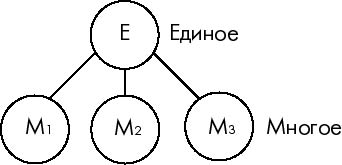
The animistic thought in Zend-Avesta and in Vandidad has almost similar consideration like Vedic Samhitas of India except that the terms are apparently different in many cases. The Suras or gods have got opposite specification from the Asuras; whereas, the writings of Zoroaster and his followings went to differ from the Vedic gods and their utility. The impression of Ahurmajda and Angora Maiynu has got a dualistic situation among them like virtue and vice, light and darkness. The phases of gods are known as fire, air, water, etc., like the later gods of Greek and Roman mythology. Vedic India has given the western lands of Persia to have their polytheistic gods by Pahlavi books and Gathas which were carried to serve the civilized mythical thoughts of Southern Europe in the days of yore. The Hebraic impressions of the semities have copied more or less a vague idea of the Supreme Integer against all polytheistic impressions of the civilized as well as the savages. The principle of grouping together in One can be traced from the different entities of powerful fountain-head experienced through senses and they are again analyzed by marking different representations coming out from one source; in other words, animism and more or less polytheistic experiences have terminated into the One Supreme Spiritual existence of the Immanence or the Transcendence of Vedanta.
TAOISM AND CONFUCIANISM
In China we find Taoism inculcated by Lautze and later on the theory of Confucius went on to inculcate the methodic order of Society. The systems of different countries are all based on the principle of examining the outward feature of this mundane world. But the Vedanta philosophy has got a quite different direction to dismiss the apparent sides. The religious views entertained in old days in different countries might not have invaded India to add to more or less polytheistic thoughts, hut in order to reconciliate all apparently contending ideas, the inculcations of rationalistic hymns traced to One purpose of Immanence could easily impede the different propositions of polytheistic impressions to suit the purposes of different societies.
NILOTIC AND SEMITIC NOTIONS
The Nilotic achievements and the semi tic impressions have played much in the northern part of .Africa and Southern Europe, though these have very little to do with their promulgation in Northern India. The Stoney sculptors of emblematizing impressions of old as well as the preserved mummies would surely go to show an aptitude of establishing an emporium for visitors of Museum is succeeding years. The Semites of the Nilotic, region were advocates of one birth instead of examining the separate situation of spirit apart from seeming material structure. The story of reflection of the external body is the best specimen of retaining the transformable situation of perishable things; whereas, the permanent ontology is carefully neglected. The society of Vedantists were never dissuaded by these foreign thoughts, but some sort of intrusion can be traced in the aphorisms of Vedanta to stultify their critical reasons.
*** IV. SUBJECT-MATTER OF VEDANTA ARRANGEMENT ACCORDING TO PANCHANGA NYAYA
The arrangements of the Aphorisms are classified in four principal chapters and each chapter is again divided into four sub-chapters kown as Padas or quarters of the principal beads. Every Pada has dealt with different subject and this department consists of some aphorisms or a singular aphorism even where five different syllogistic aspects are dealt with. Whenever a theme is under consideration of a particular Adhikarana we observe the five stages of dealing with the subject, viz., Vishaya (Subject), (Doubt), Purbopaksha (Opposite argument), Siddhanta (Harmonised conclusion) and Sangati (consistency of the conclusion). No subject-matter can be confidentially accepted unless it passes through the five processes of logical or rational departments. The different commentators have arranged and treated the subject in different ways. So the Adhikarans are not accepted in the same line by every commentator. Some Aphorisms are accepted by a particular commentator as Purbapaksha and by another as Siddhanta. So there is a change traceable in dealing with the Aphorisms.
THE SUBEJECT-MATTERS IN DIFFERENT CHAPTERS OF BRAHMA SUTRAS
The four chapters are designated as (1) reconciliation of all Shastras in Scriptures (Samanvaya), (2) consistent reconciliation of apparently conflicting hymns (Avirodha), (3) the process of attaining the Goal (Sadhana), and (4) the desired Fruit accrued by such procedure (Phala). The subject-matters of the Adhikarans are delineated in different ways according to the different views of the commentators. A short and brief list of the principal subjects dealt with in the Aphorisms is furnished below :
CHAPTER I
Sub-Chapter I: — The first sub-chapter has dealt with the cause of this universe targeting Shri Purushottama as the object of our quest as well as the reconciliation of the apparently contrary interpretations. Sub-Chapters II and III: — The second and the third sub - chapters have dealt with the doubtful misleading interpretations reconciling in the object. Sub-Chapter IV: — The fourth sub-chapter contains a reconciliation of contending thoughts of Sankhya Philosophy. CHAPTER II
Sub-Chapters V and VI: — The fifth and the sixth sub-chapters contain refutations of Sankhya inculcations. The sixth is specially meant for condemnation of the offered oppositions. Sub-Chapter VII: — The seventh sub - chapter has traced the functions of souls together with the Origin of the manifestive world and its dissolution and a refutation of opposition offered in connection with the « Naimittic Avatars». Sub-Chapter VIII: — The eighth sub - chapter- deals with the refutation of contending arguments against ‘Peneuma’.
CHAPTER III
Sub-Chapters IX and X: — The ninth and tenth sub-chapters deal with the nullification of undesirable aptitudes and the positive assertion of desirable aspirations. Sub-Chapters XI and XII: — The eleventh and the twelfth sub-chapters go to inculcate the respective procedures of dignity and essence to reach the desired Goal.
CHAPTER IV
Sub-Chapter XIII: — The rest of the sub-chapters have delineated the result of the procedure of which the thirteenth is a declaration of the result of ritualistic performances. Sub-Chapter XIV — The fourteenth sub-chapter has described the process of different forms of dissociation of the Jiva souls from the body. Sub-Chapter XV: — The fifteenth sub-chapter speaks of the way to attain to Brahma-Loka as well as the ascertainment of the aspect of Brahma. Sub-Chapter XVI: — The last and sixteenth sub-chapter discerns the majestic aspect of the Final Situation.
***
V. DIFFERENT COMMENTARIES
A. SHRIMAD BHAGAVATAM
We often hear the different systems of religions current in India have more or less derived their from the different interpretations of Vedanta. None is recognized as the leader of a school unless he can maintain his position as a commentator of Vedanta Darshan which is known as the Treatise on the Vedas as well as an authoriative refutation of all the different systems that might oppose the original source of religions of India. Two contending parties have decided the fate of Religious India, viz., the philosophers who have got a tension of differing the religionists by their rationalism, and secondly, the communities who have different secular views entertained by religionists. Early inculcations of religious views would show us a less civilized interpretation of usages in society; whereas when they were opposed by different scholastic views, they mended their course a little to meet the invaders and their exploitations. The Aphorisms were meant to give an undeviated decision of the apparently conflicting impressions of the hymns, but a frustration of the aim and object to gain some designed results transpired according to the whimsical temperament of the anti-Vedantists who had a wrong motive of attacking the undeviated devotional principles. An apprehension was detected by the writer of Aphorisms of such insinuations; so he undertook the disk of furnishing a true interpretation that might check the exploiting stultifier to dissuade the people from the Absolute Truth. The Puranas arc the supplementary elucidating religious instructions of the Vedas. People, who are interested in having an interpretation of the Vedas in their own light, demand some supporting views to foster their cause; and so the supplementary writings were written to suit the different tastes of Rajasas, Tamasas and Sattwatas. The Sattwatas are truly ethical, whereas the other two are busy to maintain their respective nationalisms. So the Aphorism were explained by the commentators of two other — viz., the Tamasas and Rajasas to disturb the inner essence of the written by their commentaries. At present we have in our possession a dozen of commentators of the Aphorisms of Vedanta. It is difficult for a reader to select the genuine momentary of Vedanta Darshan, when the commentators themselves are more or less victims to misconception (Bhrama), inebriation (Pramada), deprive observation through their sensuous exploitations (Karanapatava) and instigation to delusive enterprises by dissuading from the Truth (Vipralipsa). It is said that a true sage is quite free from such defective possessions; so we should rely on the time devotees who have no other ambition than serve the Absolute. The commentators who ‘ some designing moods of floating tentative explanations to dissuade honest but unwary enquirers by their stultifying exertions and to oppose the true functions of the unalloyed soul, have often misled them to the delusive features of non-absolute. From the pen of commentators who are victims of triple qualities of this defective and limited world, we cannot expect the Positive Truth. Most of them are misguided by their wrong preceptors; some are found to actuate themselves by their short-sighted policy, being unaided by the Personality of the Absolute owing to their non-devotional aptitude, and some have got unusual affinity to lord it over the limited things. So to quest for the genuine commentator of the Aphorisms has become a puzzling question. The writer comes forward with his own treatise which, he says. is the Genuine Commentary of the Aphorisms; but since none has shown the shlokas culled from the vast thesaurus side by side with the aphorisms as explanatory comments, the commentators have found a loop-hole to introduce their whimsical writings as true explanations of the Aphorisms, asserting at the same time the vouchsafing words of Shrimad Bhagavatam to be vague in themselves. But the Bhagavatas always when reading that book with all scrutiny substantiate the assertion by recollecting the particular aphorisms exactly dovetailing the purport. So Shrimad Bhagavatam should have the first place among the dozen schools of commentaries and whenever there is any conflicting view in the writings of the commentators, a reference may be made on the point to the genuine commentary Shrimad Bhagavatam.
Shrimad Bhagavatam’s Two Great Annotators: Shridhara And Shri Jeeva
Swami Shridhara has been demanded by the Impersonal School as one of their members, but Supreme Lord has reckoned him as one of supreme defenders of devotion. Shri Jeeva Goswami has given the true spirit of the author Bhagavatam in his ‘Krama-Sandarva’ (Explanations following each shloka) specially in his Shat-Sandarva (Six treaties) and Sarvasamvadini (Reconcilation of different discourses). So we need not misunderstand Shridhara to have followed the Kevaladwaita-Vad School (Undifferenced Monism). Shridhara’s Shuddhadwaita (Unalloyed monotheism) interpretations are quite different from Kevaladwaita views. Mayavadins, the advocates of Illusory theory in explaining the non-manifestive phase of the Absolute, are really pitiable objects in the estimation of the Devotional School. It would be a tremendous task to supply Bhagavat verses to serve as commentaries of the Aphorisms in this short narration; so we give up the idea of that undertaking to exhibit the eighteen mille shlokas as commentaries of the Aphorisms which are a quarter less six hundred only.
B. SATTWATA PANCHARATRAS
The Sattwata Pancharatras are also accepted as commentaries of the Aphorisms, though none has attempted to arrange them accordingly under each item of different adhikaranas.
C. THE FAMOUS COMMENTATORS: THEISTIC AND NON-THEISTIC
The other ten commentaries claim to explain the sutras by citation of different hymns of Upanishads which led the Sutra-kara to arrange the divisional method of particular themes. There were several commentaries before the attempts of Kevaladwaita School through the pen of Shri Shankaracharya. Shri Ramanuja and others have referred to the names of Bharuchi, Kapardi, Bodhayana, Audolomi, Tanka, Guha and some other older commentaries. We find half a dozen of Bhashyas and several dozen annotations of the same after Shankara had given out his own interpretation. Among them, Shri Bhashyam of Shri Ramanuja, Purnaprajna Bhashyam of Shri Madhwa and his Anuvyakhyanam are the most famous, and later on we find that Ballavacharya’s Anubhashyam and Nimbarka s Parijata Saurava —the origin of Keshava-Kashmiri’s thoughts of Kaustuva, Bhaskara’s interpretation of the Dwaitadwaita view and Shri Kantha’s Shaiva Vishistadwaita Bhashyam and lastly Baladeva Vidyabhushan’s Govinda Bhashyam have added multifarious interpretations of the Aphorisms. Each Bhashyakara has got serveral annotations to explain their methods by way of elucidating their writings and to enlighten the direction laid down in their interpretations by differing from the opinion of a particular School instead of participating in a common view. Bijnana Bhikshu has also given a Bhashyam of his own. One Sarbajna Muni’s ‘Sankshepa Sharirakam’ is also an attempt to explain the views of the Aphorisms according to the undifferentiated monistic school, while Brajanatha, Purushottama and others have backed up the writer of Anubhashyam. We are also at a later period accosted by the thundering muse of the writings tending to explain away the Aphorisms in the Shakta method and to proselytize the Masculine or Neuter aspect of the Fountainhead to the Feminine store-house of all energies. Sectarians are not wanting now-a-days to come up with a Bhashyam of recent days alleged to have been written by Svami Ramananda which has not a little deviation from the views of his old preceptorial chair. It is not possible to give a brief survey of all the contending thoughts of different Bhashyakaras except what we dealt with previously in the preceding theme of this article. The principal differences inculcated in the different Bhashyams are principally the two contradicting phases of the Personality of the object and His Impersonal Phase. Shankara maintained Impersonality through and through, rejecting all the mundane relativities here and in the region he is going to designate. His idea of the Absolute is neither fostered by the other schools except that Shrikantha’s follower, Apyaya Dikshita, has shown similar sympathetic views in his ‘Parimala’ proselytizing himself from his older writings ‘Nyaya-Rakshamani’ and ‘Shivark- manidipika’, refuting at the same time what Alavan-daru and Lakshmana-Deshika had inculcated in their treatises.
D. THE DIFFERENTIATING FEATURES OF THE TWO MAIN DIVISIONS OF THE COMMENTARIES
The conception of the Personality of Vishnu and Krishna had been a bugbear in the apprehending eyes of later commentators of the Impersonal School and they were frightened at the very sight of the manifestive references dealing with the relativities discovered in the Absolute. Shrikantha’s Shaivaism is considered as a copying intrusion in the line of Shri Ramanuja, though he was backed up by some of the Shaiva Adwaitins who talked of the personality of the object of Vedanta later on dissolving into nothingness. The eternal manifestive Phases are more or less ignored by the process of Distillation which eliminated all specific aspects of the concretized mundane impressions. These are never required to be carried to the region of the transcendence where deficiency and transitoriness should never form a factor. The knowledge which has been accrued through the medium of senses is no doubt drawn from transformable objects of phenomena. So they can have no absolute value according to the estimation of sensuous critics. But such impressions can have some lien when the phenomenal existence is considered as an imperfect and perverted reflection of the Original Transcendental Manifestation. If we start through the synthetic process and from the mundane level, we surely neutralize the variegated positions of the phenomena and are naturally found to pose as impersonalists in the long run. But that situation is likely to transform when the manifestive Absolute Phases are traced as the Eternal source of this eclipsed and imperfected vision of the phenomena. The mundane things stand in our visual range as opaque preventing us to have a full sight of the transcendental tabula rasa.
E. CONCLUDING COMMENTS
In line we may mention some passages from Bhagavatam which will go to show that considerate thinkers of Transcendence do not quarrel with the nomenclature of the Object Who is a non-differentiated Knowledge of substratum exactly identifying with the varieties of Energies inherent in Him. The spectator of the transcendence may find the object to be non-distinctive Brahma when all attributional references are eliminated, being frightened with the bitter impression of concretized blockades which, according to his sectarian view, is an irreconcilable item in targetting the position of the Fountainhead. The ideas of Yogins have accommodated in persisting in being-hood of nonbeing as well as the phenomenal capacity attributed to Him. The Bhagavatas or the devotees on the other hand did not exclude the three different aspects of their vehicular energy to approach the Fountainhead when they speak of the fullness of Majesty, Power, Beatitude, Glory, Ghosticism and Dissociative Renunciation and of the infinitesimal parts traced as the infinitesimal unalloyed spectator of the whole. The trancendental concretizing method has been eliminated in the transcendental conception of Impersonalists as weighty cumbrous odds which will grind their subtle entities like mustard seeds. The impersonal school has resorted to Vivarta Vada instead of invoking the automobile of Inherent Energies with the Absolute, viz., the Shaktiparina-mavada (the Doctrine of the transforming Energies). In the Arambhavada (Doctrine of basic activity) and Vastuvikaravada (the Doctrine of Transformation) these Vivartavadins (followers of the Doctrine of misconception) or Mayavadins have found many defects; so they do not want to follow them, but their evasive policy will not brand them as wise.
VI. SEQUEL OF VEDANTIC THOUGHTS
It is said that modern religions except those that are mentioned in the very body of the Aphorisms are outcome of the Vadantic system. They are not acknowledged to have a supporting of the Vedantic thought but we find refutations of them rather in that book. Some chroniclers predate the advent of the Sankhya system before the thought of Vedanta came into existence. We need not subscribe to this opinion as we find the Shankhayans have got a tendency to condemn the Vedantists as well. Some critics have deemed it fit to reject the present. Aphorisms of Sankhya as original, but their view tantamount to disclose a neo-Sankhya system made out of the old policy of that school. They are found to tell us that Iswara Krishna’s work Karika was commented on by Gaudapada who is said to have been the preceptor of Govinda, the Guru of Shree Shankaracharya. In the Upanishads themselves we find both the views of Sankhya and Vedanta said by side which has given start to the religions view- now in vogue. So these two systems are correlated whenever they are spoken of. The Personal Phase of Brahman has been differenced from all objects of the phenomena, as they are strictly to come under the calculative merits of Sankhya. But as we cannot do away with our present concept of phenomena, the system of Sankhya has involuntarily mixed up with the ritualistic aspects of all religious march. The cosmological view of the phenomena has enforced the elimination of all the realizable objects through the senses to have no part in targeting the representation of the source. The realistic view has deemed it fit to consider the elements as the cause of action. Even the Efficient cause is but a peculiar composition of different distributed elements; whereas the other theory would tell us that the tabula rasa of knowledge is eclipsed by the foreign intrusion of ignorance in the shape of elements. The peculiar formation of the senses has managed the mutilation of the objects in the chamber of subjectivity according to the particular efficiency». The manifestive Aspects of the Unalloyed spirit, void of all massive realization of matter, are simply stopped by the impression of transcendental blank sheet, but the theory of enjoyment by senses has given rise to the dismissal of the phenomenal representation. The devotional aptitude having no connection with the enjoying mood of the recipient will give them relief in considering the benumbing nature of the efficient cause and the eliminating mood of rubbing out all sorts of objective ingredients. We are apt to realize the position of the object of adoration by our predilective mood, so dominating qualities have played an active part in constructing a figure of the non-Absolute personality to suit our purpose. This mental speculation has produced Kathenotheistic formulation in our mind with a far-fetched termination in Impersonalism. As our mind cannot receive things which are not included within the jurisdiction of the six senses, we are compelled to apparel the Impersonal substratum by associating It with our impressions of phenomenal garments. So this has produced at the very outset the triple objects of worship — Brahma, Vishnu and Shiva, who are the descended aspects of the Impersonal Origin. The Vedic henotheism has got a different phase in Panchopasana whereby the adorable objects are meant to supply our present demands. We approach Ganadevata when we are in need of dispelling the opposite element; we want to invoke Shakti when we require to satisfy the supply of the needs of our senses; when we require to have an ethical mood, we find It as the Sun-god and when we want to retire from enjoying the phenomenal world, we approach the dissolving Energy in Shiva. The Sankhya system has explained the Triple energies that are recognized as the active principles of the different aspects of Mature : in other words, they are the three qualities—Rajas, Sattwa and Tamas, and their different compositions have instigated us to paint the Fountainhead according to our requirements. We approach Ganapati when the two influences of Sattwa and Tamas become prominent features. The combination of Sattwa and Rajas qualities drives us to the sun-god and that of Rajastama qualities drag us to Shakti — phase of the Absolute in Nature. The unalloyed Rajas quality will lead us to the progenitor Brahma, the Sattwa quality to the sustainer Vishnu, and the Tamas quality to the Destroyer Shiva. So we subscribe evolution, sustenance and dissolution when we do not require a combination of the different qualities. The henotheists would claim by their particular taste to approach a temporal godly figure whom they call the Supreme manifestatoin of the Eternal Impersonal Phase and they would not discourage their friends of different schools actuated by the same principle in targeting or painting their Supreme reverential Object in some other demonstrative Aspect in turn. So different phases of theism would not disturb one another when they have a common object of tending to the Impersonation in the long run. The Vedantic idea has been proselytized to pantheistic impression of people ignoring the different faculties of temporary senses. What-ever is perceived through senses is but a relative impression susceptible to come under our sensuous activities with no permanent value of themselves. The phenomenal subjectivity should be dismissed by the intrusion of the destructive energy in self even. The Illusive theory of Maya will then act on them to lose their self by merging into the Absolute where the axiomatic view will enforce the common idea of the Absolute. They can give effect to these views when the position of the observer, the observation and the observed is conglomerated. But theism has got a different situation from pantheism. The Personality of Godhead is the Principal Object to mark and the personality of the observer is set free from foreign invading elements — the soul proper is eternal and the magnitude of the soul has been found as an associative subservient to the Full Personality of the Fountainhead. The Vedanta wants to establish this theism and no phase of henotheism or pantheism should mutilate the position of pure theism. Theism in some cases is troubled by hellenic and hebraic ideas concocted by the people to suit best the altruistic facilities among them. But we should be cautious not to welcome anthropomorphic troubles or apotheotic exertions. Neither philanthropic attempts should commit any offence against the true Vedantists. The Greek and Roman mythologies are no doubt good illustrations of carrying anthropomorphic ideas in ascribing the situation of different gods, and in some cases the Indo-Aryan mythology is not found to be free from these faulty associations. The apotheotic tendency has made many a here to pretend as identical with different gods and the social amelioration through altruistic activities has also done much injury to receive the Scriptures in true light and thereby proselytized the Biblic reference to philanthropic exploitations. The Supreme Lord Shree Krishna Chaitanya has endowed the unalloyed intelligentsia versed in pure Transcendental Manifestations with the different eternal relationship of the pure essence which has no mundane decrepit condition. Many apathetic hearts are found to oppose theism in different ways by their participating in a particular phase of epistemology in which they do not understand the spirit of Transcendental position of Theism in the Vedanta system. The short-sighted conception of Impersonal- ism offered by the so-called busy mundane philosophers cannot be relied on when they have got no lien to pass any opinion about transcendence to which they have no access. The conviction and experience stored up in mundane thesaurus cannot possibly accommodate the subject-matter of Vedanta which is beyond the realization of the impoverished senses and no previous experience could possibly judge the merits which cannot submit to the area of the sensate. The Aphorisms of Vedanta do not go far to delineate the Manifestive Phases of the Absolute save some directions which are inculcated in supplementary books; so we need not expect all sorts of perspective views of the Transcendence through the short-sketched words of the Aphorisms. We have noticed some abuses among the so-called Vedantists when they associate them-selves with mundane thoughts under the pan-theistic interpretations of Vedanta. The pseudo-Vaishnavas, viz., Bauls and Sahajiyes together with a section of the Smartas, have shown a degraded phase in their worldly behavior based on a distorted view of Vedanta. The very inculcation of the word «Daridra Narayana» of the altruistic school is a vivid illustration of the gross abuse of the Vedantic thought in the hands of naturalists, atheists, sceptics and agnostics who all claim to be covered by the ideas of Vedantic school. Wherever Pure theism is crossed in the least, we notice a degraded feeling paramount in their heart to defile pure devotion of the unalloyed schools. The undigested food offered by Vedanta Darshan will not nourish the intelligentsia, even if they have got possession of the same through their linguistic attainments but vitiated by the contamination and misuse of foreign ideas.
***
VII. CONCLUSION
COMMON BASIC AGREEMENT
All the interpretations of the Aphorisms would show that the Fountainhead is One without a Second. He is Positive Knowledge and is not to be captivated by mundane speculative method. He is both Transcendent and Immanent. All the commentators conjoin in subscribing that Immaterial Plane is an essential need of the unalloyed Spiritual Entity. Every view has corroborated the emancipating policy of Vedanta; so they do not differ with its renunciating principle. But the principle of dissociation of temporal thought and observation is dealt with in different ways.
B. TRUE RECONCILIATION BY THE SUPREME LORD HIMSELF
The Supreme Lord Shree Krishna Chaitanya has furnished a true reconciliative principle by which the cardinal points of difference in reading the Aphorisms are harmonised. And the ‘Govinda-Bhashyam’ may be accepted as a true attempt to meet the conflicting impressions arisen from different angles of visions. The manifestation of the Spirit has got a different aspect from the mundane impression of the enjoyers which is given an opportunity to corroborate in ‘a harmonious spirit. In going back to our original situation, the soul is disentangled with the inadequacies and shortcoming, of natural manifestations.
C. SO-CALLED DENOUNCEMENT OF VEDANTA BY THE SUPREME LORD
Shree Krishna Chaitanya is often observed by silly eyes to have rejected Vedanta, because a sectarian interpretation of the same has renounced the manifestive phase in the transcendence. In order to remove the impression of the commoners of the nomenclature of Vedanta, such words were incidentally recorded through the foresight of Shree Krishna Das Kaviraj Prabhu as he did critically expose the erroneous impressions among the pedants of the day who guided the mass. The Supreme Lord was misunderstood by Sarbabhauma and Prakashanada in their common belief of henotheists. So the Real and True Explanations through Transcendental Sounds from the Supreme Lord regulated and removed their inadvertencies in the true conception of Vedanta. Shree Jeeva Goswami Prabhu has given a very clear conception of the true view published before the Krishna-loving demeanour of the devotees. The Akhilarasamritamurtee, Krishna’s nomenclature, is delineated in the Aphorisms under guarded words which have a characteristic of brevity meant to delude and confuse the barren, unsoft, unripe, non-relative amplifiers of their impoverished reasons. Moreover, misunderstood versions of Vedanta will again mislead people just like the misconceptions of the Udupi Pandits when the Supreme Lord accosted them at their very seat. The common interpretations of the Aphorisms would tell an unwary reader that Sadhana will lead to mukti (Sayujya or complete merging into the Absolute or four others, viz., Salokya, Sarshti, Samipya and Sarupya), which are more or less indexes of mundane reference instead’ of Prema or Transcendental Love. The misguided theists have drawn a wrong conclusion in their incorrect readings of both the Aphorisms of Jaimini and Vyasa. So the correct transcendental position may be inculcated into the brains of non-devotees when they recollect several passages of Bhagavatam which reject the erroneous abstracted ideas of phenomena. Shree Govinda Bhashyam has supplied some more additional enlightenments to the writings of Shreela Jeeva, specially because all vague observers have demanded a positive interpretation of the ‘ Achintya-Vedaveda Siddhanta ‘ of the Supreme Lord.
D. DISAGREEING CHARATERISTICS
In the different interpretation by the readers of the Aphorisms, we find that the Absolute One has the greatest magnitude in comparison to the other items of reference, viz., Jivas (Individual souls), Prakriti (Material Energy), Kala (Time) and Karma (Fruitive work). Energy is not accepted along with the One Fountainhead. Others have seen all sorts of energies centered in that One. There are Manifestive Natures of that One that are opposed by a particular school of Absolutists who deny all sorts of potencies, in as much as these are outcome of temporal senses. So the question of potency in the Fountainhead has been made a controversial point. The phenomenal world is a production of the Efficient and Material Causes which are denied in the long run by the analogy of Vivarta. So Devotion has not been accepted as the medium of approaching the manifested Transcendental Absolute. According to their secular view no distinctive process should be asserted in the Integral situation of the Greatest Magnitude. Other commentators dissenting from this view have established Distinctive Monism and Differentiated Synthetic Dualism by polemical controversies. The Distinctive Monism has established Every-Existing Vishnu as the Supreme Authority of the Personality of God-head. But there is again a dissension between this Vaishnavite view and the Shaivite aggression where the Impersonal termination is figured by the Phallic Emblematic Form of Representation of a temporal existence. They have a distinct motive of establishing the Impersonalism in the long run, though for the sake of argument they come forward with a quarrelling attitude with the Eternal situation of the Personality of Godhead. Commentators also differ in the divisibility of the Integral Brahma by suspending Swagata, Sajatiya and Vijatiya Bhedas which we always meet in the gross objects of this temporal world; whereas manifestive distinctions are and can be found in the transcendence as well without any rupture or unwholesomeness of this gross and mundane region.
E. TRANSCENDENTAL SPONTANEOUS IMPORT: BIDVAT-RUDHI BRITTI OF SHRUTIS
There may occur a doubt as to why the Commentators have shown different temperaments from the reading of an identical passage in the Aphorisms. We may say in reply that they have been guided by wrong recollective convictions of Nature’s qualitative products instead of having any true aural transcendental reception from the lips of true devotees. The transcendental sounds are not located in the different chambers of the museum of mundane relativity, but they have got ‘ Rudhi-Brtti ‘ which kills functional references of sounds which are quite adaptable to the senses.
F. ASPECT OF SHREE MOORTI
The Impersonal school believes that the conception of ‘Indistinctive Brahma» and the partial conception of the All-wide Paramatma should be the final decision of the Vedanta Darshana. But as the polemic side of the Aphorisms was meant for the infant class of theological seminary, no elucidating treatises should be inserted in the Aphorisms which would be rather perplexing to unfledged youths who are busy with their puerile mundane impressions. The juvenile thought is supplemented by the true transcendental pastimes of the Personality of Adhokshaja and not by a particular Aspect of the One Who is considered as the Fountainhead of all Personalities of Godhead. Akhilarasamritamurti Krishna has solved the whole question in all its phases by including the fullest identity of Brahma where transcendental relativities do not form cataracts to the eyes of readers, and in approaching Him the interpretations of Bhagavatam and Sattwata Pancharatras have paved the way to get the true ontological aspect of Vedanta. So the five descending Aspects of Krishna in five planes are no barriers as they are to the shortsighted policy of the Mayavadins and Karmins. In the fifth Aspect of Archa we find the best suitability of regulating the wrong activities of our senses which actuate us as enjoyers of mundane phenomena and of having a devotional temperament to regain the relationship with the Absolute Krishna. The monists may claim that the five transcendental facsimiles or transcendental projections of the Absolute are detrimental to their whims; so the Supreme Lord may redeem those fallen souls of Mayavadins and Karmins, when they do approach Archa (Facsimile of the Transcendental Manifested Absolute in mundane region), Antaryami (Immanent Aspect of the Transcendental Manifested Absolute), Vaibhava (Manifestive Transcendental Aspects of the Personal Absolute in the Eternal as well as their Dis-closures m this mundane spheres), Vyuha (Transcendent Quadrantal Manifestations of the Personal Absolute), and Para (Integral Origin of the Personal Absolute), instead of shouting with their tentative arguments which have no locus standi.
***
Vedanta-Sutras of Badarayana with the Commentary of Baladeva
Translated by The Late
Revised by Nandalal Sinha
SECOND EDITION
THE SACRED BOOKS OF THE HINDUS
PUBLISHED BY Dr. L. M. BASU, M.B.
FROM THE PANINI OFFICE, BHUVANESHWARl ASHRAMA, BAHADURGANJ
ALLAHABAD
|
||
|
|
Последнее изменение этой страницы: 2024-07-06; просмотров: 189; Нарушение авторского права страницы; Мы поможем в написании вашей работы! infopedia.su Все материалы представленные на сайте исключительно с целью ознакомления читателями и не преследуют коммерческих целей или нарушение авторских прав. Обратная связь - 216.73.216.153 (0.013 с.) |